


Key Takeaways
- Residential treatment is often the best choice for people with severe addiction, repeated relapse, co-occurring mental health conditions, or an unsafe home environment.
- Outpatient treatment works well for people with a stable home, mild substance use disorders, or those stepping down after completing residential care.
- San Diego Wellness Center provides medical detox, residential treatment, dual diagnosis care, luxury accommodations, and aftercare planning to help clients build a strong foundation for lasting recovery.
Choosing the right type of addiction treatment is an important step toward recovery. Many people know they need help but are unsure whether they should enter a residential program or receive care while living at home. The answer depends on several factors, including the severity of addiction, your living environment, and your overall health. While both options can be effective, one may provide a stronger foundation depending on your situation. At San Diego Wellness Center, we help every client find the level of care that best supports their recovery. Understanding the differences between these programs can help you make a more confident decision.
Addiction Treatment Statistics Show Why Choosing the Right Level of Care Matters
| Statistic | Source |
| Millions of Americans receive addiction treatment each year. | https://www.samhsa.gov |
| Many people needing treatment never receive care. | https://www.samhsa.gov |
| Treatment matched to individual needs improves outcomes. | https://nida.nih.gov |
| Drug overdoses remain a leading cause of preventable death. | https://www.cdc.gov |
These findings show why choosing the right level of care is an important part of successful recovery.
When Is Residential Treatment the Better Choice?
While every person’s situation is different, residential treatment is often recommended when someone needs more structure and support than outpatient care can provide.
Residential treatment may be the better option if you:
- Have a severe addiction.
- Recently completed medical detox.
- Have relapsed after previous treatment.
- Live in an environment where drugs or alcohol are easily available.
- Need treatment for both addiction and a mental health condition.
- Have difficulty staying sober without daily support.
- Want to step away from everyday stress and focus fully on recovery.
Removing yourself from unhealthy surroundings allows you to focus on building healthier habits while receiving professional care.
What Happens During Residential Treatment?
After detox, clients begin a structured daily schedule that supports both physical and emotional healing.
Residential treatment often includes:
- Individual therapy
- Group counseling
- Family therapy
- Relapse prevention education
- Wellness activities
- Healthy meals
- Recreational opportunities
- Medical support when needed
Each day is designed to help clients build coping skills, improve emotional health, and prepare for life after treatment.
What Are the Benefits of Residential Treatment?
Many people benefit from living in a recovery focused environment during the early stages of sobriety.
Some of the biggest advantages include:
- Twenty four hour support
- Fewer outside distractions
- Daily structure
- Access to therapists and medical professionals
- Peer support from others in recovery
- Lower exposure to triggers
- Time to focus completely on healing
These benefits often make residential treatment a strong option for people who need additional support during recovery.
Who Benefits Most From Residential Treatment?
| Situation | Residential Treatment May Be Recommended |
| Severe addiction | Yes |
| Recent medical detox | Yes |
| Multiple relapses | Yes |
| Unsafe home environment | Yes |
| Co-occurring mental health condition | Yes |
| Mild substance use with strong home support | May not be necessary |
When Is Outpatient Treatment the Better Choice?
Outpatient treatment is often recommended for people who have already completed detox or residential treatment and have a stable home environment.
Outpatient care may be a good option if you:
- Have a mild substance use disorder.
- Have already completed medical detox.
- Have a safe and supportive home.
- Can avoid drugs and alcohol outside of treatment.
- Need flexibility for work, school, or family responsibilities.
- Have reliable transportation to attend appointments.
Because clients return home after treatment sessions, outpatient care works best for people who can maintain sobriety between visits.
Residential Treatment Versus Outpatient Treatment
Both levels of care help people recover from addiction, but they provide different types of support.
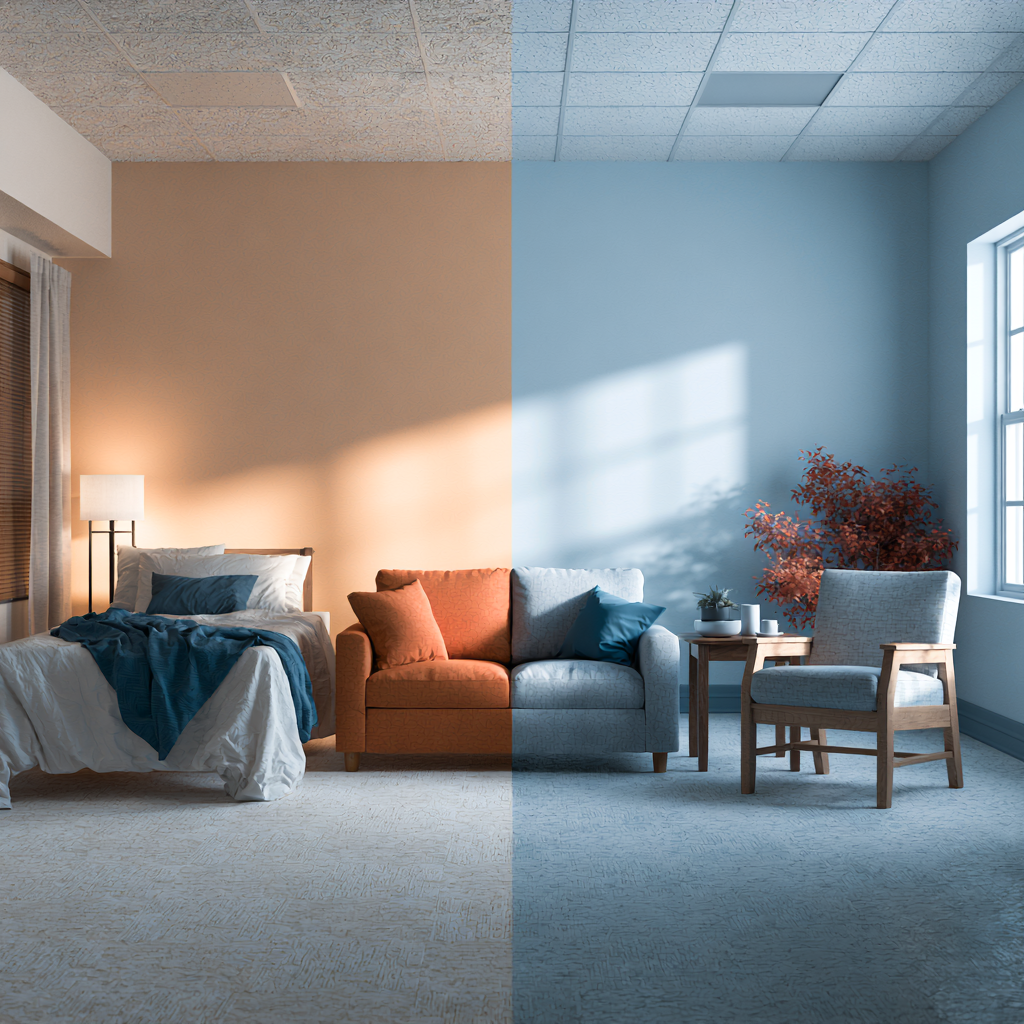
Residential treatment offers a structured environment where clients receive around the clock care and are removed from everyday triggers. Outpatient treatment allows people to continue living at home while attending therapy and counseling several times each week.
The right choice depends on your recovery needs, health, support system, and treatment history.
Comparison Chart
| Feature | Residential Treatment | Outpatient Treatment |
| Living Arrangement | Stay at the treatment center | Live at home |
| Medical Supervision | Available around the clock | Limited to scheduled visits |
| Daily Structure | Highly structured | Flexible schedule |
| Exposure to Triggers | Greatly reduced | May remain exposed to home triggers |
| Best For | Moderate to severe addiction | Mild addiction or step down care |
| Therapy | Daily | Several times each week |
Both programs play an important role in recovery, and many people benefit from participating in both at different stages.
Can You Move From Residential Treatment to Outpatient Treatment?
Yes. Many people begin with residential treatment and later transition into outpatient treatment as they make progress. This step down approach allows clients to continue receiving professional support while gradually returning to everyday life.
At San Diego Wellness Center, we help every client prepare for continued care by creating an aftercare plan and coordinating referrals to trusted local Partial Hospitalization Programs and Intensive Outpatient Programs. This gradual transition helps people build confidence while maintaining the support they need.
How Do You Know Which Program Is Right for You?
Choosing between residential treatment and outpatient treatment starts with a professional assessment.
During the admissions process, our team considers factors such as:
- The severity of your substance use.
- Your physical health.
- Your mental health.
- Your history of relapse.
- Your home environment.
- Your family support.
- Your recovery goals.
These factors help determine which level of care offers the greatest opportunity for long term success. If you are unsure which program is right for you, speaking with a treatment professional can help you make an informed decision.
A Typical Recovery Path
| Stage | Purpose |
| Medical Detox | Safely manage withdrawal symptoms |
| Residential Treatment | Build recovery skills in a structured setting |
| Aftercare Planning | Prepare for continued recovery |
| Partial Hospitalization Program | Continue intensive treatment with more independence |
| Outpatient Treatment | Maintain recovery while returning to daily life |
Why Choose San Diego Wellness Center?
Choosing the right treatment center is one of the most important decisions you can make. At San Diego Wellness Center, we provide more than addiction treatment. We provide a safe, supportive place where clients can focus on healing with guidance from experienced medical and clinical professionals.
People choose San Diego Wellness Center because we offer:
- Licensed and accredited medical detox
- Residential treatment in a comfortable setting
- Dual diagnosis treatment for co-occurring mental health conditions
- Around the clock medical support during detox
- Individual and group therapy
- Gourmet chef prepared meals
- Spacious swimming pool
- Gym memberships
- Guided hiking excursions
- Movie nights and entertainment areas
- Personalized aftercare planning
- Partnerships with trusted local Partial Hospitalization Programs and Intensive Outpatient Programs
Our team takes the time to understand each client’s needs and recommend the level of care that offers the greatest opportunity for lasting recovery.
Why Continuing Care Supports Long Term Recovery
Recovery does not end after detox or residential treatment. Continuing care helps people strengthen the skills they develop during treatment while adjusting to everyday life.
At San Diego Wellness Center, we begin planning for life after treatment early in the recovery process. Before leaving residential care, every client receives an aftercare plan that may include ongoing therapy, support groups, and referrals to trusted local PHP and IOP providers.
This continued support helps clients stay connected to recovery resources while reducing the risk of relapse.
Choosing the Right Level of Care
| Your Situation | Recommended Level of Care |
| Severe addiction or repeated relapse | Residential Treatment |
| Need medical withdrawal support | Medical Detox followed by Residential Treatment |
| Stable home with mild substance use | Outpatient Treatment may be appropriate |
| Completed residential care | Partial Hospitalization Program or Intensive Outpatient Program |
| Long term recovery support | Aftercare Planning and Community Resources |
Contact San Diego Wellness Center
Choosing between residential treatment and outpatient treatment can feel overwhelming, but you do not have to make that decision alone. Our experienced team will take the time to understand your needs, answer your questions, and recommend the level of care that is right for you. Whether you need medical detox, residential treatment, or help transitioning to outpatient care, San Diego Wellness Center is here to support you. Contact our team today to verify your insurance, discuss your treatment options, or begin the admissions process.
Frequently Asked Questions
How do I know if residential treatment is better than outpatient treatment?
Residential treatment is often recommended if you have a severe addiction, have relapsed before, need medical detox, or do not have a safe and supportive home environment. A professional assessment can help determine the best option.
Can I start with residential treatment and move to outpatient treatment later?
Yes. Many people begin with residential treatment and then transition to outpatient treatment as they make progress. This approach provides continued support while allowing for greater independence over time.
Is outpatient treatment effective for addiction?
Yes. Outpatient treatment can be effective for people with mild substance use disorders or those who have already completed residential treatment and have a stable home environment.
Does San Diego Wellness Center provide outpatient treatment?
San Diego Wellness Center specializes in medical detox and residential treatment. We also create aftercare plans and partner with trusted local providers for Partial Hospitalization Programs and Intensive Outpatient Programs.
Can residential treatment help people with mental health conditions?
Yes. San Diego Wellness Center provides dual diagnosis treatment for people living with substance use disorders and co-occurring mental health conditions, allowing both concerns to be addressed during treatment.