



Key Takeaways:
- The right rehab should match the person’s detox needs, relapse risk, mental health symptoms, daily triggers, and need for structure.
- Strong rehab centers should offer medical oversight, licensed clinical support, evidence-based therapy, dual diagnosis care, and aftercare planning.
- Long-term recovery is easier to protect when treatment includes stabilization, relapse prevention skills, and continued support after discharge
Choosing a rehab center in San Diego can feel overwhelming, especially when many programs sound similar, and every facility claims to offer personalized care. When addiction has reached a serious point, families and patients often feel pressure to make a fast decision, but the right choice should be based on clinical needs, safety, and long-term support.
A strong rehab program does more than help someone stop using substances. It should provide stabilization, therapy, support for co-occurring mental health concerns, relapse prevention, and a practical aftercare plan. The best fit is not always the program with the most polished marketing, but the one that matches what the person needs medically, emotionally, and practically.
At San Diego Wellness Center, treatment is designed to support adults through each stage of care, including medically supervised detox, residential treatment, dual diagnosis support, and aftercare planning. With the right structure and clinical support, recovery can begin with more clarity, stability, and confidence.
Start by Assessing Detox Needs and Medical Safety
The right choice starts with one priority, which is safety. Some substances create serious withdrawal risks, so detox should never be handled without medical oversight when medical complications are possible.
Detox may be needed when a person is using substances like alcohol, opioids, fentanyl, or benzodiazepines, especially with daily use, long-term use, or prior withdrawal symptoms. Medical detox provides monitoring and support so withdrawal can be managed safely and more comfortably.
A good intake conversation should cover:
- What substances are being used and how often
- Recent changes in use patterns
- Previous withdrawal experiences
- Physical health factors that increase risk
- Mental health symptoms that may worsen during withdrawal
At San Diego Wellness Center, detox is medically supervised with 24/7 support and is designed for substances such as alcohol, opioids, fentanyl, benzodiazepines, methamphetamine, cocaine, marijuana, and prescription drugs.
How Do I Choose Between Inpatient and Outpatient Rehab?
Choosing between inpatient and outpatient rehab depends on how much structure, safety, and support a person needs. Both options can be helpful, but they serve different situations. Inpatient or residential treatment provides a more structured setting away from daily triggers, while outpatient rehab allows someone to continue living at home while attending scheduled treatment.
| Level of Care | What It Includes | When It May Be the Better Fit |
|---|---|---|
| Inpatient or Residential Rehab |
|
|
| Outpatient Rehab |
|
|
A simple way to compare the two is that inpatient rehab reduces exposure to triggers while recovery skills are being built, while outpatient rehab requires those skills to be used while daily triggers are still present. The right choice should be based on safety, relapse risk, mental health needs, and the level of structure needed to make early recovery more stable.
Find Support for Both Addiction and Mental Health
Mental health symptoms often travel alongside addiction. Anxiety, depression, trauma history, mood swings, and chronic stress can all drive substance use, and can also intensify during early sobriety.
This is where dual diagnosis treatment matters. It means substance use disorder and mental health conditions are treated together through one integrated plan, rather than sending someone down separate paths.
Dual diagnosis care tends to matter most when you see patterns like:
- Substance use that is used to manage anxiety, sleep, or emotional distress
- Depression symptoms that worsen during sobriety attempts
- Trauma symptoms like hypervigilance, nightmares, or avoidance
- Panic episodes, irritability, or emotional shutdown
- Repeated relapses after “just detox” or short-term attempts
San Diego Wellness Center provides integrated dual diagnosis treatment that addresses both mental health and addiction together rather than treating them as separate issues.
How Do I Compare Rehab Centers in San Diego?
Comparing programs gets easier when you stop comparing slogans and start comparing systems. Two centers can both call a program they offer “residential,” yet one offers deep clinical support and the other offers mostly unstructured time with minimal personalized therapy.
Use a comparison lens that focuses on what actually impacts outcomes.
Clinical Structure and Support
Look for a program that has a clear daily structure, consistent therapy, and licensed clinical support. A strong program should have a schedule that supports stabilization, skill-building, and relapse prevention.
Therapy Approach and Modalities
Many centers mention therapy, but the content matters. Ask what modalities are used and whether the program can match therapy approaches to the person.
San Diego Wellness Center offers:
- Individual therapy
- Group therapy
- Family therapy
- Cognitive Behavioral Therapy (CBT)
- Dialectical Behavior Therapy (DBT)
- Solution-Focused Therapy
- Motivational Interviewing
- Trauma-focused therapy
Environment, Privacy, and Comfort
The environment can either reduce stress or increase it. For adults who value privacy or need a calmer space to stabilize, a higher-end setting can improve engagement.
Aftercare Planning
Aftercare is where progress either holds or slips. A strong rehab center in San Diego should plan for what happens after discharge, including relapse prevention strategies and step-down resources when needed.
Questions to Ask a Rehab Center in San Diego
The right questions uncover the truth quickly. You can ask clear, focused questions that help you see whether the program is built to support real change.
Here are strong questions to ask a rehab center in San Diego:
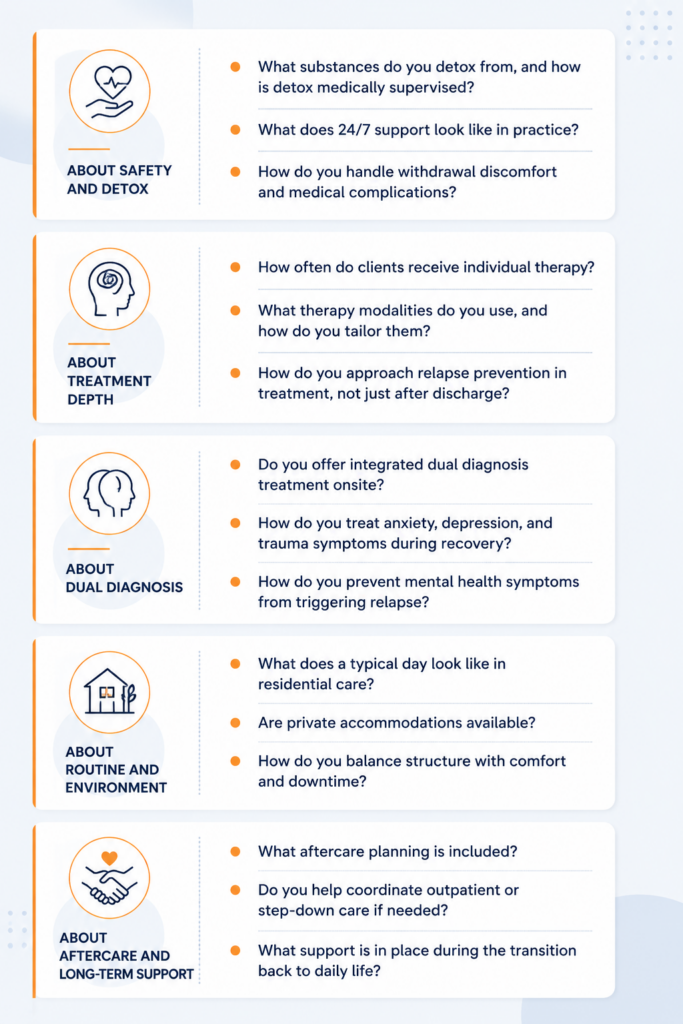
A strong center answers clearly and does not dodge specifics.
What Best Rehab Center for Addiction in San Diego Usually Offer
“Best” depends on fit. Still, strong programs share a few traits that consistently matter.
Individualized Planning
The best care adapts to the person. Substance use history, mental health symptoms, triggers, and relapse patterns should all shape the plan.
Whole-Person Support
Addiction impacts the body, mind, and daily habits. Programs that address sleep, stress regulation, coping skills, and emotional health typically support stronger outcomes.
Realistic Transition Planning
The best programs plan for real life, including work stress, family dynamics, social triggers, and what happens on a rough day after discharge.
San Diego Wellness Center emphasizes individualized, holistic care with medical support, therapy, dual diagnosis treatment, and aftercare planning.
Addiction Treatment Services San Diego Wellness Center Offers
San Diego Wellness Center provides addiction treatment in San Diego County with a full range of services designed to help adults stabilize, address underlying challenges, and build a plan for lasting recovery.
Medical Detox
Medically supervised detox supports withdrawal safety with 24/7 medical supervision and support for substances such as alcohol, opioids, fentanyl, benzodiazepines, methamphetamine, cocaine, marijuana, and prescription drugs.
Residential Treatment
Residential care provides round-the-clock support in a structured living environment focused on therapy, clinical support, coping skills development, and relapse prevention work.
Dual Diagnosis Treatment
Integrated care addresses substance use and co-occurring mental health conditions together rather than separating addiction treatment from mental health support.
Therapy Modalities
Treatment includes evidence-based approaches such as CBT, DBT, Solution-Focused Therapy, Motivational Interviewing, family therapy, group therapy, individual therapy, and trauma-focused therapy.
Aftercare and Step-Down Support
Aftercare planning includes relapse prevention planning, support group resources, sober living guidance, and referrals or coordination with outpatient/IOP/PHP programs when needed.
Amenities and Holistic Support
Private accommodations and wellness supports can help clients stay engaged in treatment, including spacious rooms, movie nights, gym memberships, home-cooked/gourmet meals, video games, hiking, and other activities, plus mindfulness and meditation.
Executive Rehab
Executive rehab supports professionals with privacy, flexibility, and accountability, including case-by-case access to work-related devices, secure Wi-Fi, and professional communication when clinically appropriate.
A Clear Choice Starts With the Right Questions
Choosing a San Diego rehab is easier when you focus on fit, including safety, clinical depth, structure, dual diagnosis support, and a real aftercare plan. The right program helps the patients rebuild stability, coping skills, and a plan that protects recovery long after discharge.
San Diego Wellness Center offers medically supervised detox, residential treatment, integrated dual diagnosis treatment, evidence-based therapy modalities, aftercare planning, and executive rehab in a private, higher-end environment.
If you want help comparing options or figuring out what level of care makes sense, contact our team at San Diego Wellness Center today. A short conversation can bring clarity fast.
FAQs
1. How do I choose the right rehab in San Diego?
Choose a rehab center by looking at medical safety, detox support, inpatient or outpatient options, dual diagnosis care, therapy services, privacy, daily structure, and aftercare planning.
2. How do I know if detox is needed before rehab?
Detox may be needed when someone uses alcohol, opioids, fentanyl, benzodiazepines, or other substances regularly, especially if withdrawal symptoms or medical risks are present.
3. What is the difference between inpatient and outpatient rehab?
Inpatient rehab provides 24/7 support in a structured setting, while outpatient rehab allows someone to live at home and attend scheduled treatment sessions.
4. Why does dual diagnosis treatment matter in rehab?
Dual diagnosis treatment matters when addiction is connected to anxiety, depression, trauma, mood issues, or chronic stress because both concerns need coordinated care.
5. What questions should I ask a rehab center before choosing one?
Ask about detox supervision, therapy frequency, treatment modalities, dual diagnosis care, daily structure, private accommodations, relapse prevention, and aftercare support.