


Key Takeaways
- Residential treatment for relapse prevention provides a substance free setting where clients can focus on therapy, triggers, cravings, mental health, and daily recovery skills.
- Breaking the cycle of relapse often requires addressing the situations and patterns that contribute to repeated substance use, rather than focusing on detox alone.
- San Diego Wellness Center combines residential addiction care, dual diagnosis services, comfortable accommodations, healthy activities, and aftercare planning to support recovery beyond treatment.
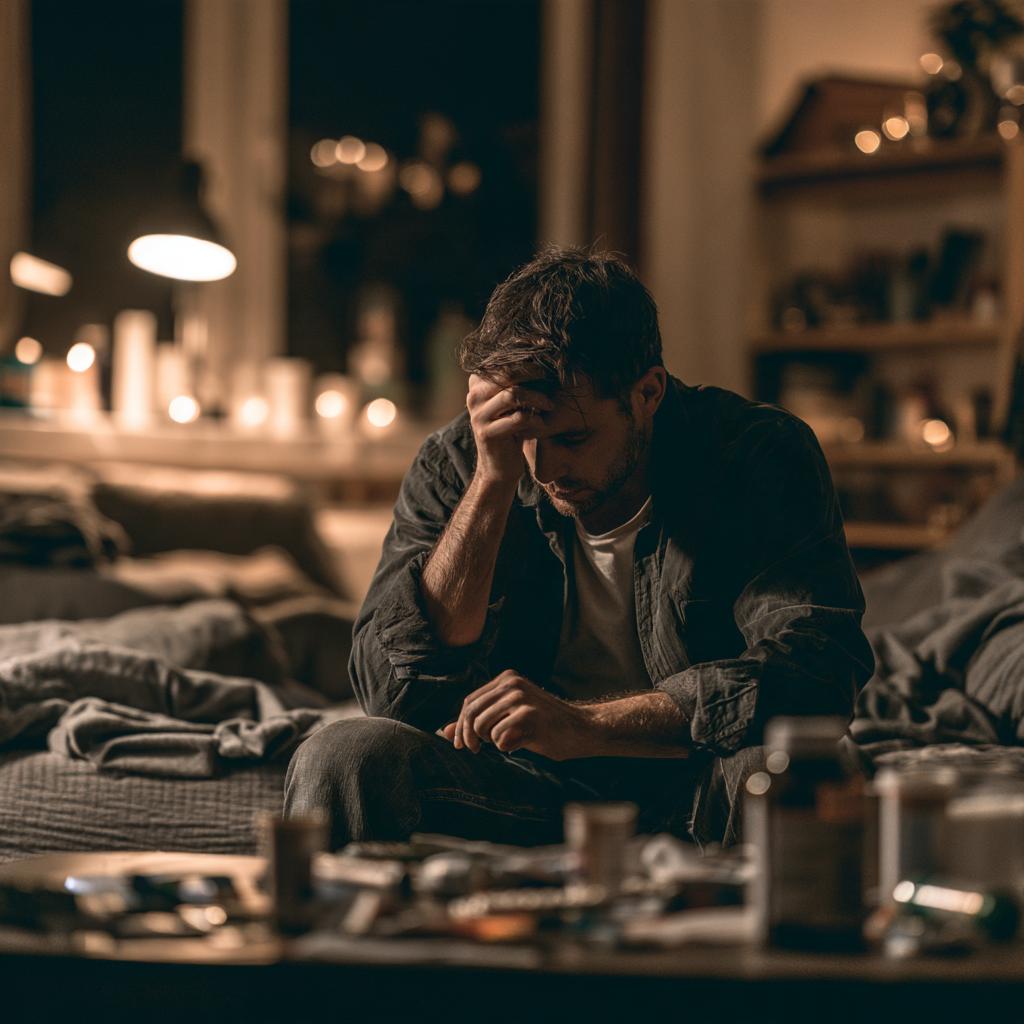
Relapse can feel frustrating, especially when you have already put time and effort into getting sober. For some people, returning to the same environment, stress, relationships, and triggers after detox can make it difficult to maintain recovery. Residential treatment gives you time away from those pressures while you work on the patterns that may contribute to the cycle of relapse. Instead of focusing only on stopping substance use, residential care can help you build healthier routines, manage cravings, address mental health concerns, and prepare for life after treatment. At San Diego Wellness Center, clients receive addiction and dual diagnosis care in a comfortable residential setting in San Diego County.
Addiction Treatment and Relapse Statistics
Addiction affects millions of people across the United States, yet many people who could benefit from treatment do not receive it.
According to the Substance Abuse and Mental Health Services Administration, 48.4 million people age 12 or older had a substance use disorder in 2024. That represented 16.8% of the population age 12 and older.
There is also a large gap between needing treatment and receiving it. In 2024, approximately 52.6 million people age 12 or older were classified as needing substance use treatment. About 10.2 million received treatment during that year.
Substance Use Treatment in the United States
| 2024 National Statistic | Number of People |
| Had a substance use disorder | 48.4 million |
| Classified as needing substance use treatment | 52.6 million |
| Received substance use treatment among those needing it | 10.2 million |
Relapse is another reason continued care matters. NIDA has reported relapse rates for drug addiction of roughly 40% to 60%, based on research comparing addiction with other chronic health conditions. A return to substance use does not automatically mean treatment has failed. Instead, it can signal that treatment should be restarted, changed, or strengthened.
Reported Symptom Recurrence Rates
| Health Condition | Reported Rate |
| Drug addiction | 40% to 60% |
| Type 1 diabetes | 30% to 50% |
| Hypertension | 50% to 70% |
| Asthma | 50% to 70% |
These numbers help put relapse into perspective. Addiction can require continued treatment and adjustments over time. Residential care can provide a place to figure out what is driving repeated substance use and start making changes before returning home.
Why Does Relapse Happen During Addiction Recovery?
Relapse often happens over time. Stress, cravings, difficult emotions, and old habits can slowly make it harder to stay sober. Work problems, family conflict, money concerns, loneliness, boredom, or major life changes can increase the urge to use drugs or alcohol. Certain people, places, and memories can also trigger cravings.
Mental health can also affect recovery. Anxiety, depression, trauma, and other mental health concerns may make it harder to cope with everyday situations without turning to substances.
There may also be warning signs before a relapse. Someone may stop going to therapy, avoid supportive people, think more about past substance use, or believe using one time will be okay.
Preventing relapse takes more than willpower. Residential treatment gives you time to recognize your triggers, build healthier coping skills, and practice new ways to handle difficult situations.
How Does Residential Treatment Help Break the Cycle of Relapse?
Residential treatment gives you a safe place to focus on recovery away from everyday stress and triggers. While living at the facility, you take part in therapy, recovery activities, and a structured daily routine.
Residential care also helps you figure out what may be leading to repeated substance use. Triggers can include anxiety, loneliness, stress, cravings, certain relationships, or being around drugs and alcohol.
During treatment, you can identify these patterns and practice healthier ways to respond. You can also build coping skills and routines that support sobriety after you return home.
Why Is a Structured Environment Important for Preventing Relapse?
Early recovery can come with changes in sleep, emotions, and motivation. Having structure can make this time easier to manage.
In residential treatment, each day includes scheduled times for therapy, meals, recovery activities, rest, and recreation. A regular schedule can reduce boredom and isolation, which may trigger cravings for some people.
Healthy routines also help you get used to eating regular meals, staying active, getting enough sleep, and connecting with others without drugs or alcohol.
At San Diego Wellness Center, clients also have time to relax and enjoy amenities such as a swimming pool, chef prepared meals, gym memberships, movie nights, entertainment areas, and guided hikes. These activities can help clients see that sober life can still include connection, relaxation, and fun.
How Does Residential Treatment Help Identify Triggers and Cravings?
Triggers are people, places, situations, or emotions that can increase the urge to use drugs or alcohol. Some triggers are easy to notice, such as being around substances or people who use them. Others may include stress, anger, loneliness, anxiety, or relationship problems.
Residential treatment gives you time to identify these triggers and see how they have affected your substance use. Therapy can help you recognize patterns and find healthier ways to respond.
You may practice coping skills such as calling someone for support, exercising, attending a recovery meeting, or talking with a therapist. Cravings can happen during recovery, but having a plan can help you manage them without returning to substance use.
How Do Healthy Routines and Peer Support Strengthen Recovery?
Healthy routines can make recovery easier to manage. Residential treatment gives you time to build habits around regular meals, sleep, exercise, therapy, and healthy activities. These routines can provide more structure and help you manage stress without turning to drugs or alcohol.
Peer support is also an important part of recovery. Spending time with people who have similar goals can reduce isolation and give you a place to share challenges, receive support, and stay accountable.
At San Diego Wellness Center, clients can connect through shared meals, hiking, fitness, swimming, games, and movie nights. These activities help clients build healthy routines, enjoy sober time, and create positive connections with others.
What Happens After Residential Treatment to Help Prevent Relapse?
Leaving residential treatment can be a big change. Once you return home, stress, cravings, and old triggers may come back. Having an aftercare plan can help you prepare for these challenges.
Continued care may include PHP, IOP, individual therapy, mental health services, recovery meetings, or peer support. Your plan should also consider your living situation, relationships, work, and personal triggers.
San Diego Wellness Center provides aftercare planning and works with local facilities offering PHP and IOP services when additional care is needed. Continued support can help you use the skills you practiced in treatment and stay focused on recovery.
Why Do People Choose San Diego Wellness Center for Residential Treatment?
San Diego Wellness Center is a licensed and accredited drug and alcohol treatment facility serving San Diego County, Southern California, and clients across the country. We provide medical detox, residential treatment, dual diagnosis care, and aftercare planning for several types of substance use.
Our peaceful setting gives clients space away from everyday stress and triggers. Comfortable accommodations, chef-prepared meals, a swimming pool, gym memberships, hiking, games, and movie nights can also make residential care feel more comfortable.
Treatment is based on each client’s substance use, mental health, triggers, previous treatment, support system, and recovery goals. For people struggling with a repeated cycle of relapse, San Diego Wellness Center provides structure and support to help build healthier habits and prepare for life after treatment.
Breaking the Cycle of Relapse With Residential Treatment
Relapse does not erase the progress you have already made, but repeated substance use can be a sign that more support is needed. Residential treatment provides time away from everyday triggers while helping you work on cravings, mental health, coping skills, routines, relationships, and relapse prevention. The goal is to leave treatment with more than sobriety under controlled conditions. You want practical skills and a clear plan you can use when real life becomes stressful again. San Diego Wellness Center provides medical detox, residential care, dual diagnosis treatment, comfortable amenities, and aftercare planning in San Diego County. Contact the team at San Diego Wellness Center to talk about your treatment options and the next step in recovery.
Frequently Asked Questions
Can residential treatment help if I have relapsed more than once?
Yes. Residential treatment may be helpful for someone who has repeatedly returned to substance use, especially when triggers, cravings, mental health symptoms, or the home environment make it difficult to stay sober. Treatment can help identify what happened before previous relapses and build a more specific prevention plan.
How does residential treatment help prevent relapse?
Residential care removes you from immediate access to substances and many everyday triggers while providing therapy, structure, peer support, coping skills, and relapse prevention planning. These services can help you practice healthier responses before returning home.
Is relapse a sign that addiction treatment did not work?
Not necessarily. NIDA describes addiction as a condition in which symptom recurrence can occur and states that relapse can signal a need to restart, adjust, or change treatment rather than automatically viewing care as a failure.
What should I do if I am worried about relapsing after residential treatment?
Talk with your treatment team before leaving residential care. An aftercare plan can connect you with therapy, outpatient programs, peer support, recovery meetings, mental health services, and other resources based on your needs.
Does San Diego Wellness Center offer care after residential treatment?
San Diego Wellness Center provides aftercare planning to help clients prepare for the transition out of residential care. When appropriate, the team can coordinate continued treatment with local partners offering PHP and IOP services.